What a SEA Games medal at 19 taught me about leading product teams
Competing in dancesport’s very first Southeast Asian Games, and what it taught me about pressure, discipline and grit.
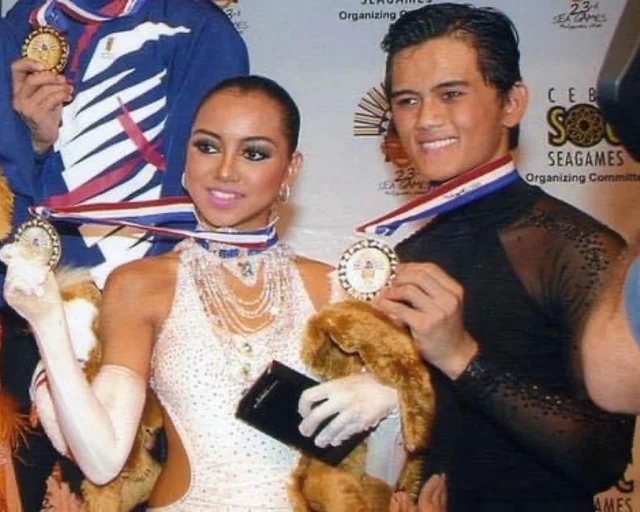
By Dearlie ‘Dee’ Gerodias Gilbert · Oct 16, 2026 · 8 min read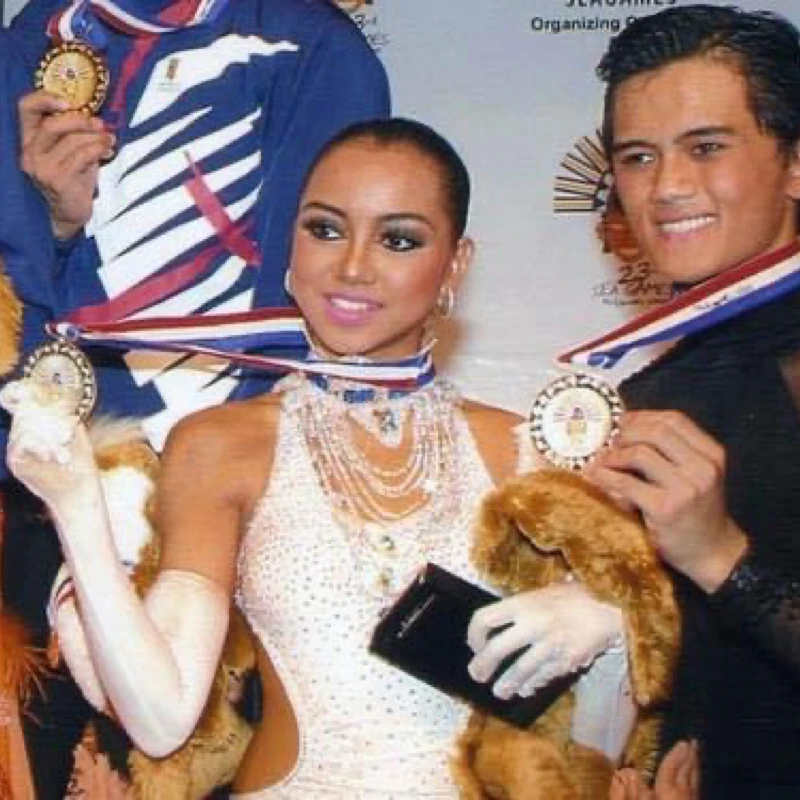 2005 · SEA Games silver
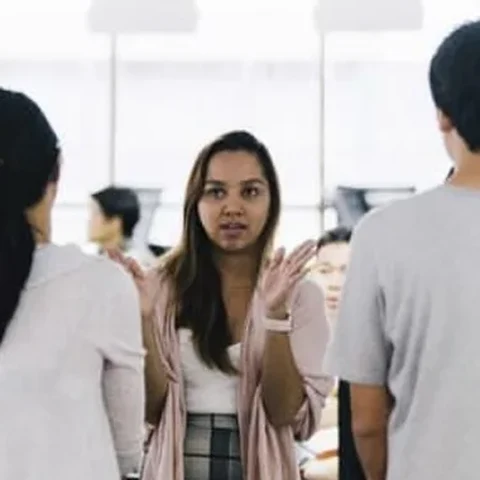 Today · Product leader
On a Sunday night somewhere in Asia, my fellow athletes would head out to celebrate after a competition. I’d stay behind in the hotel room. Not because I didn’t want to celebrate, but because I had a term paper due on Monday morning, and a flight home to catch before then.
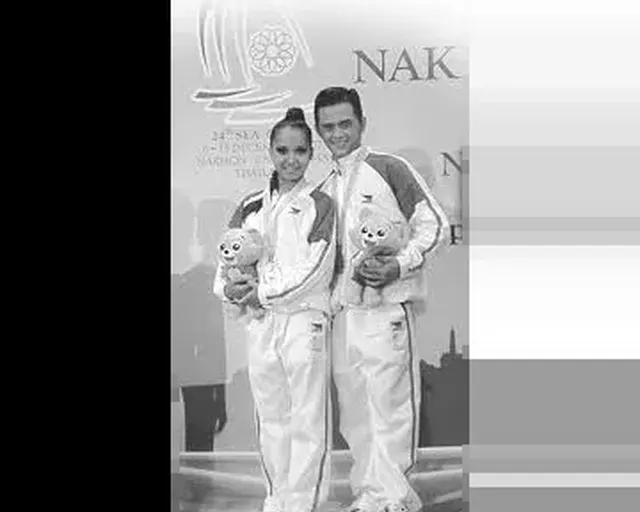
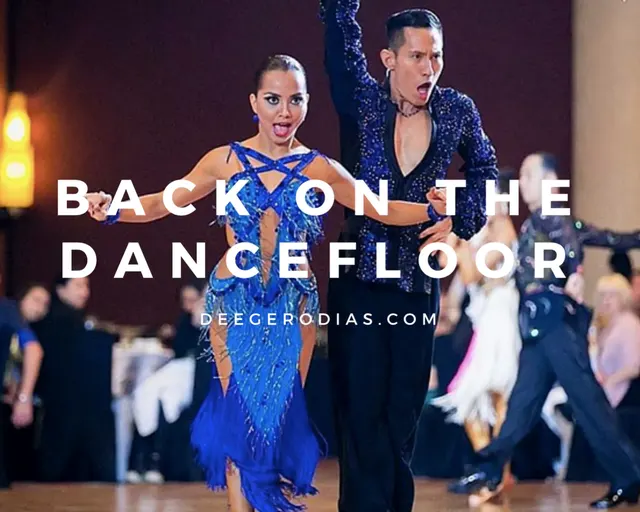
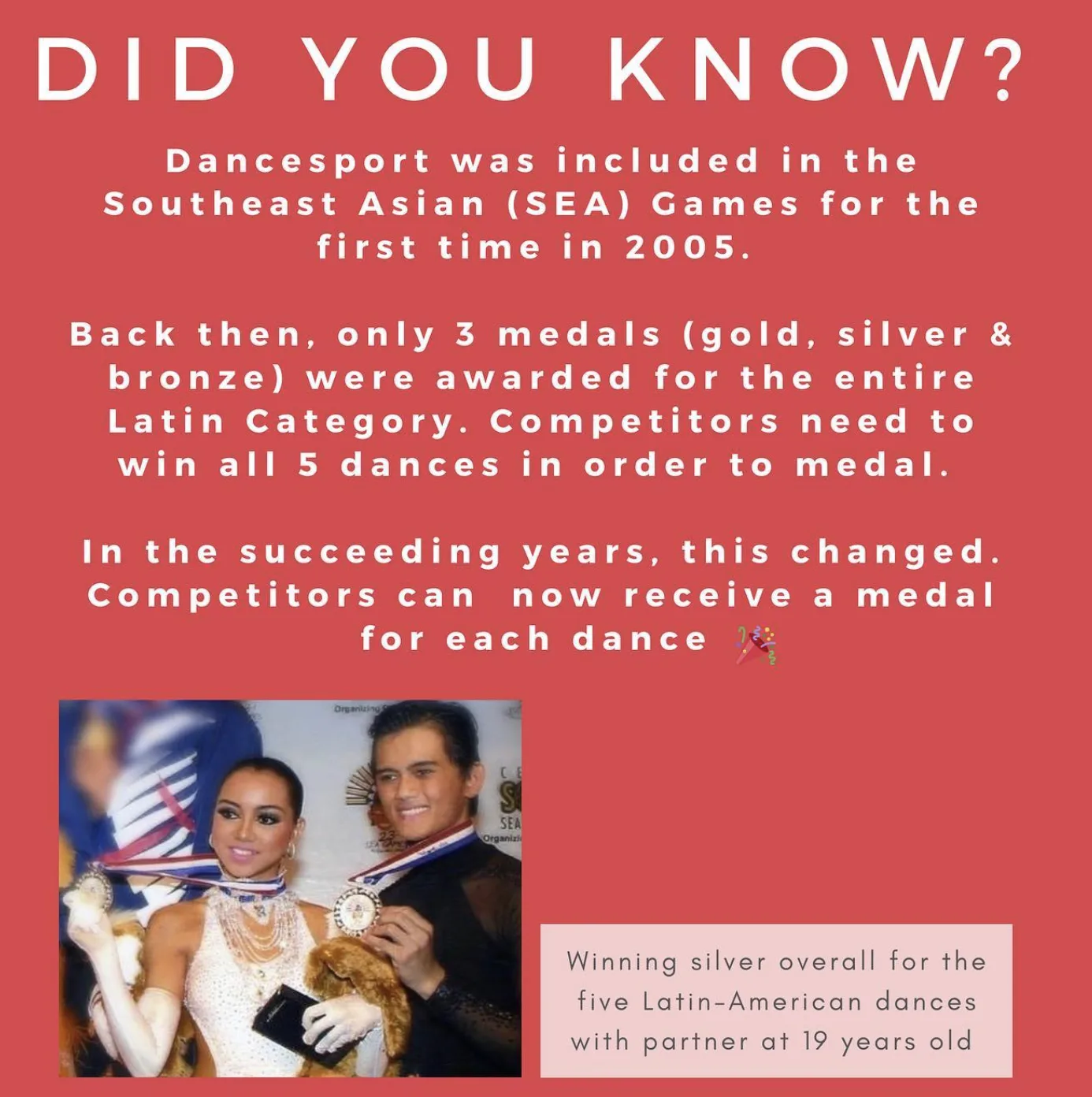
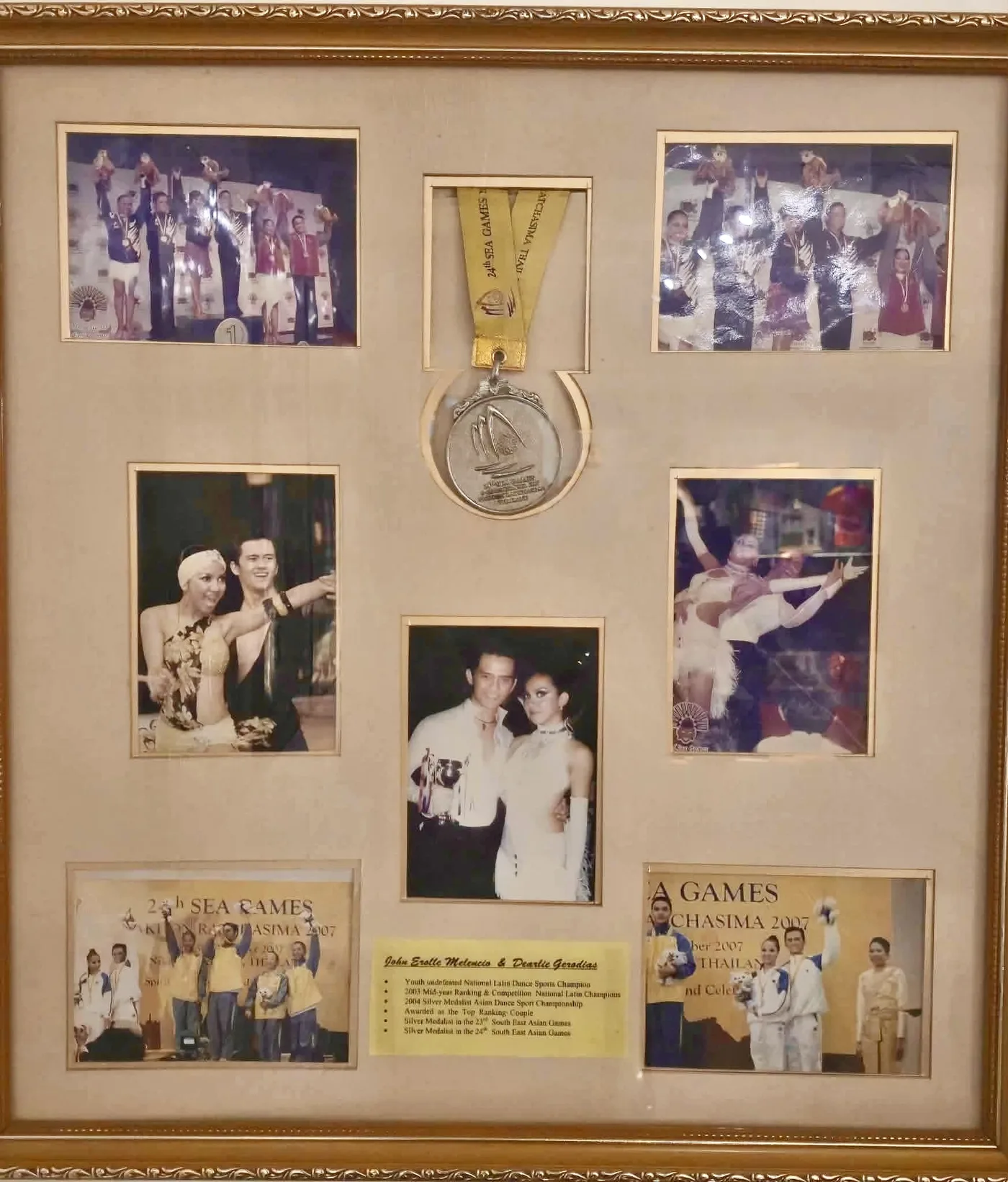
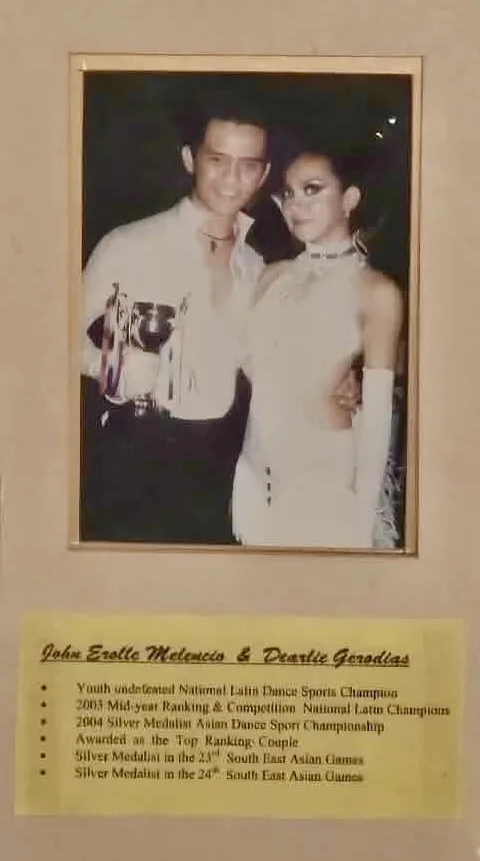
That was an ordinary weekend for me at 19: third year of Business Administration majoring in Computer Science at De La Salle University, College of St. Benilde, and a member of the Philippine national dancesport team. In late 2005 those two lives met at a moment I’m still proud of, winning silver for the Philippines in Latin at the very first SEA Games to include dancesport.
- 19my age at the first SEA Games to include dancesport
- 5 → 1five Latin dances, one set of medals in 2005
- 200kpeople at the open-air opening in Manila
- 4SEA Games medals I’ve won for the Philippines across 2005 and 2007
Five dances, one medal
Dancesport joined the 23rd SEA Games because of how popular it was in the Philippines. There were just two categories, Standard and Latin, and one set of medals for all five Latin dances combined: cha-cha-cha, samba, rumba, paso doble and jive.
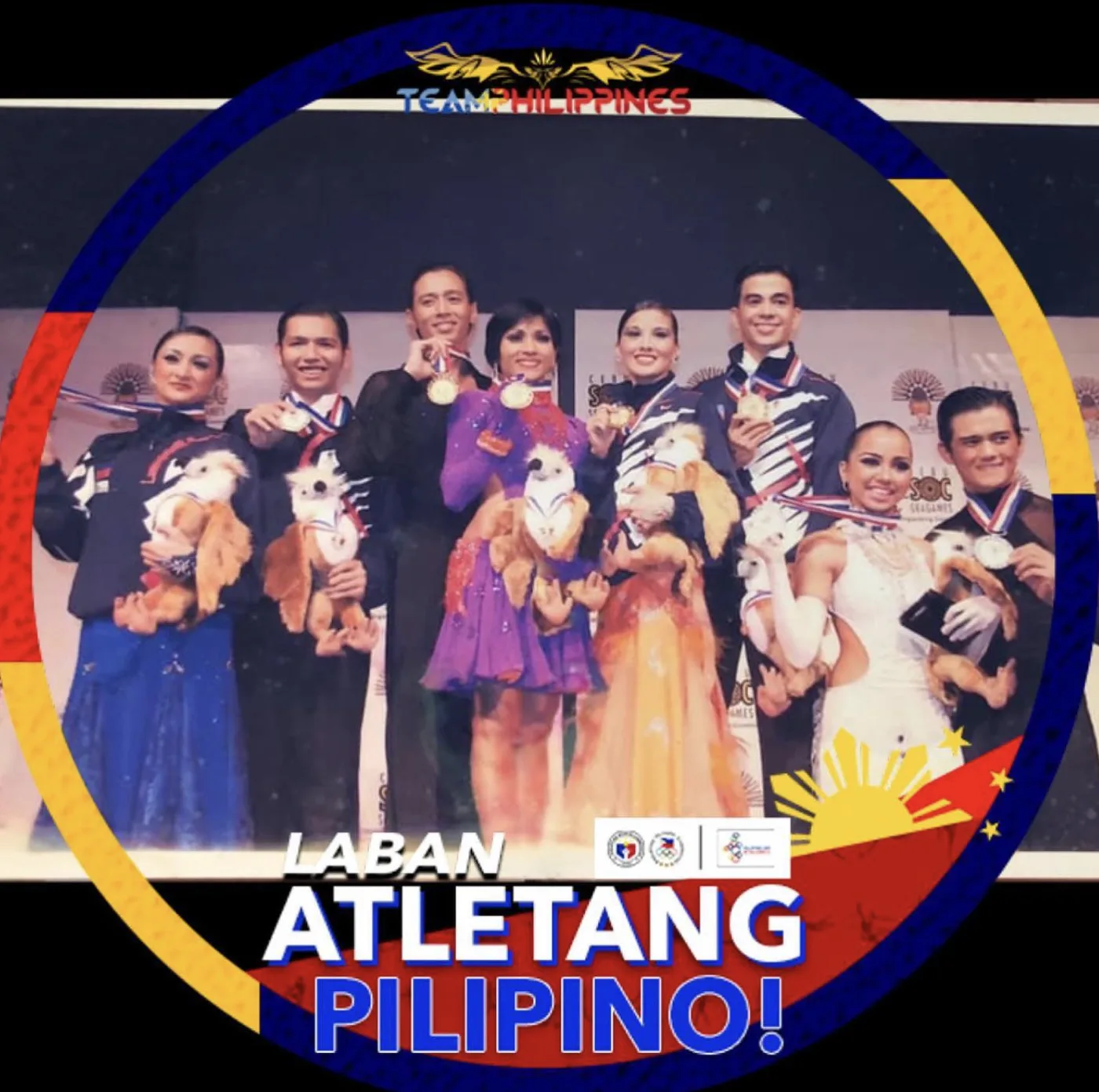
So my partner John Erolle Melencio and I had to win across all five. No leaning on our strongest dance. The Latin podium was an all-Filipino one-two: gold for Michael Mendoza and Belinda Adora, silver for us, bronze for Thailand.
Carrying the flag at home
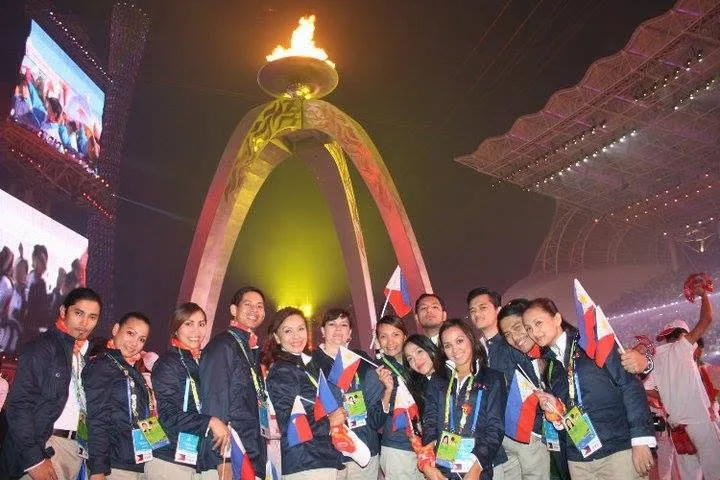
The opening was held at the Quirino Grandstand in Rizal Park, the first SEA Games opening in an open-air park, for a live crowd of around 200,000. We marched in red and royal blue barongs and salakot, with Manny Pacquiao walking alongside us. You feel a home crowd like that for a long time afterwards, and it made very clear what was riding on every performance that followed.
Two years later, on the front page
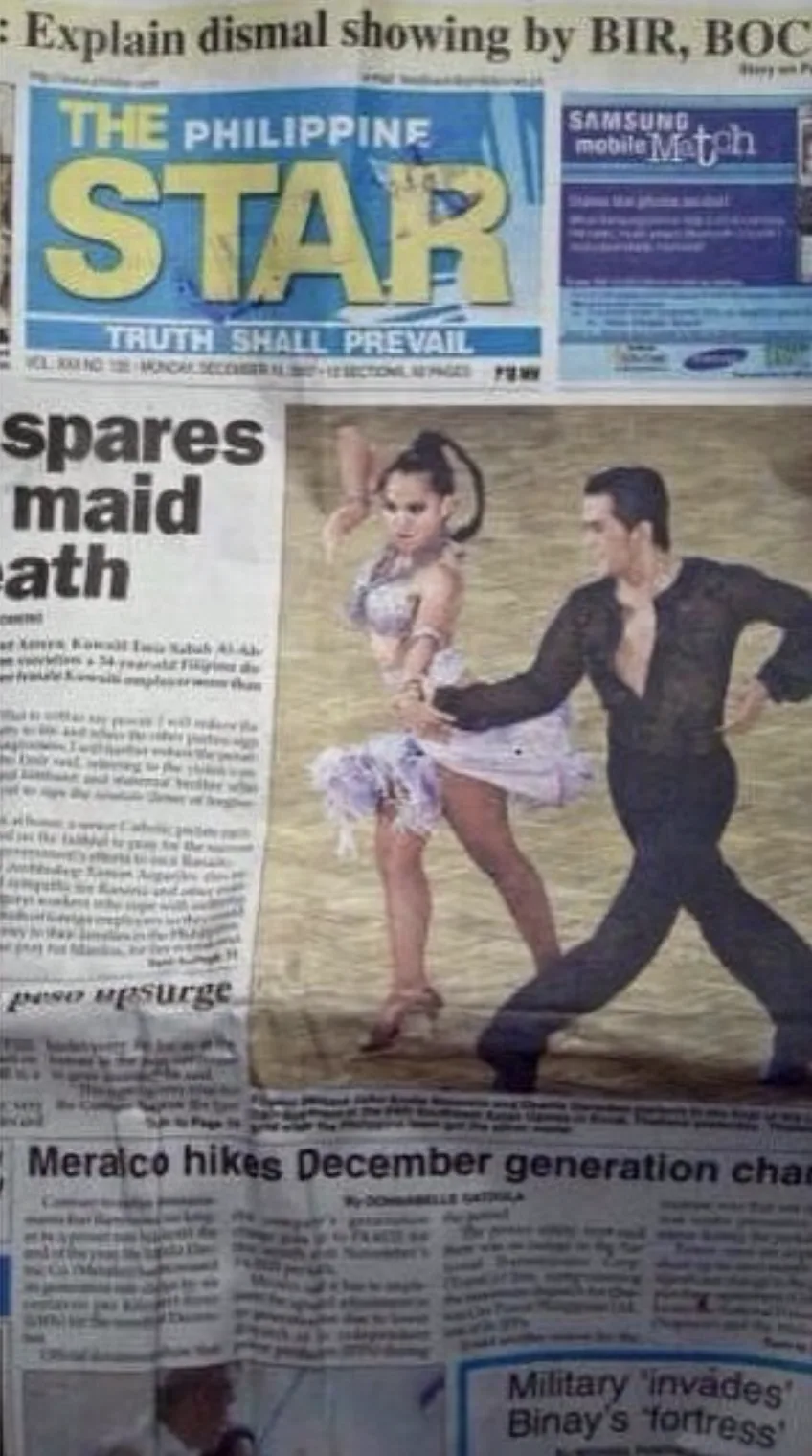
By 2007 medals were awarded for each dance, up to 15 Latin medals instead of 3. John Erolle and I came home with medals again, and on Monday 10 December a photo of us dancing ran on the front page of The Philippine Star. I was in my final year of university.
The weekend double life
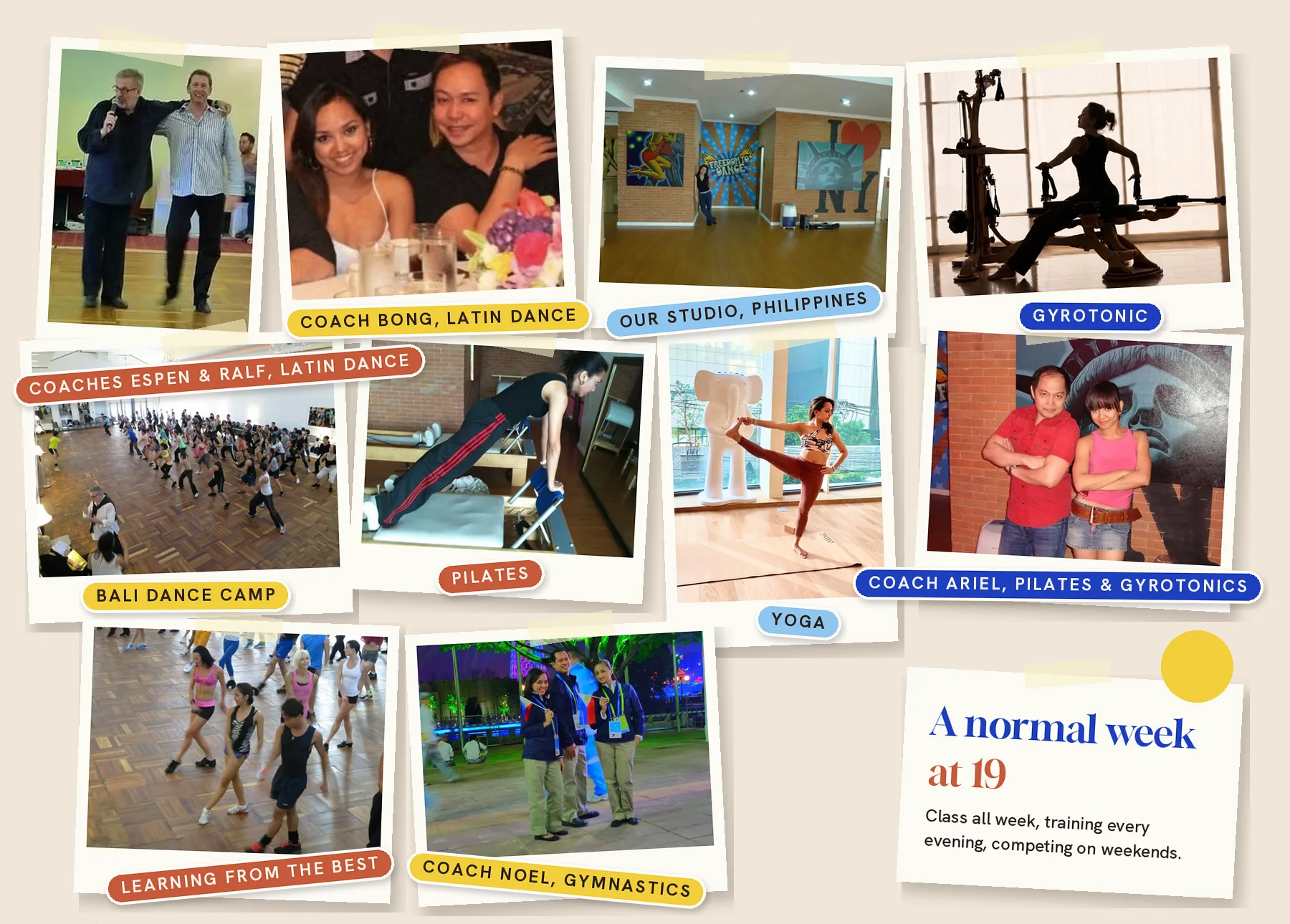
Class all week, training every evening, a flight out on Friday or Saturday. Compete, and with a lot of work and a little luck, win. Then back to the hotel to finish my term papers, fly home, and walk into class as if nothing had happened.
Most of my classmates had no idea I’d just won a medal for the country. At the time it simply felt like the job: two commitments, both non-negotiable.
- Dance coachingTop international coaches flown in from Europe, plus our local trainer day to day.
- ConditioningPilates, Gyrotonic and gymnastics for strength, control and flexibility.
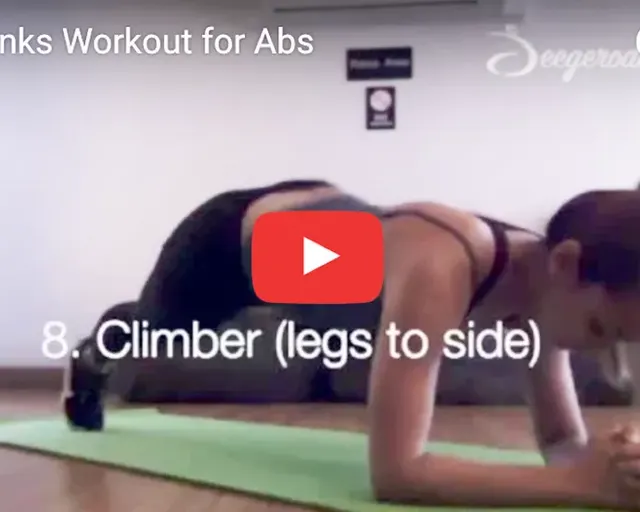
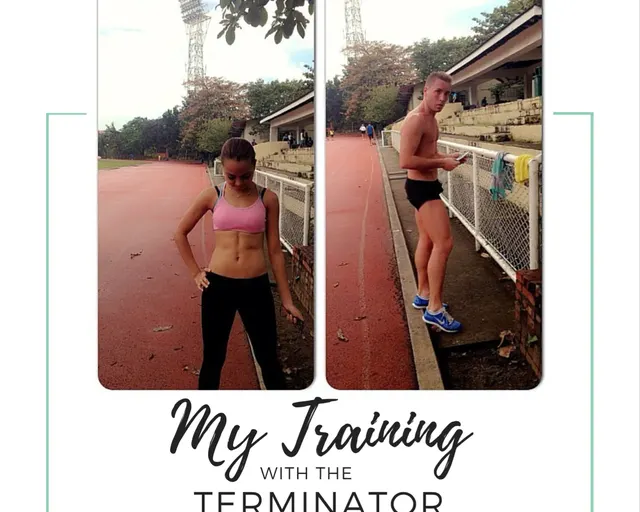
- EnduranceSundays on the Olympic track oval, or up and down 20 floors of fire-exit stairs.
- LifestyleEating right, and no alcohol.
Four habits I bring to every product team
I’ve now spent more than 14 years in digital product management, most recently two at McKinsey. The habits I built on the dance floor are the ones I still rely on most, and here is where each one has shown up in my work.
- 01
Succeed as a team
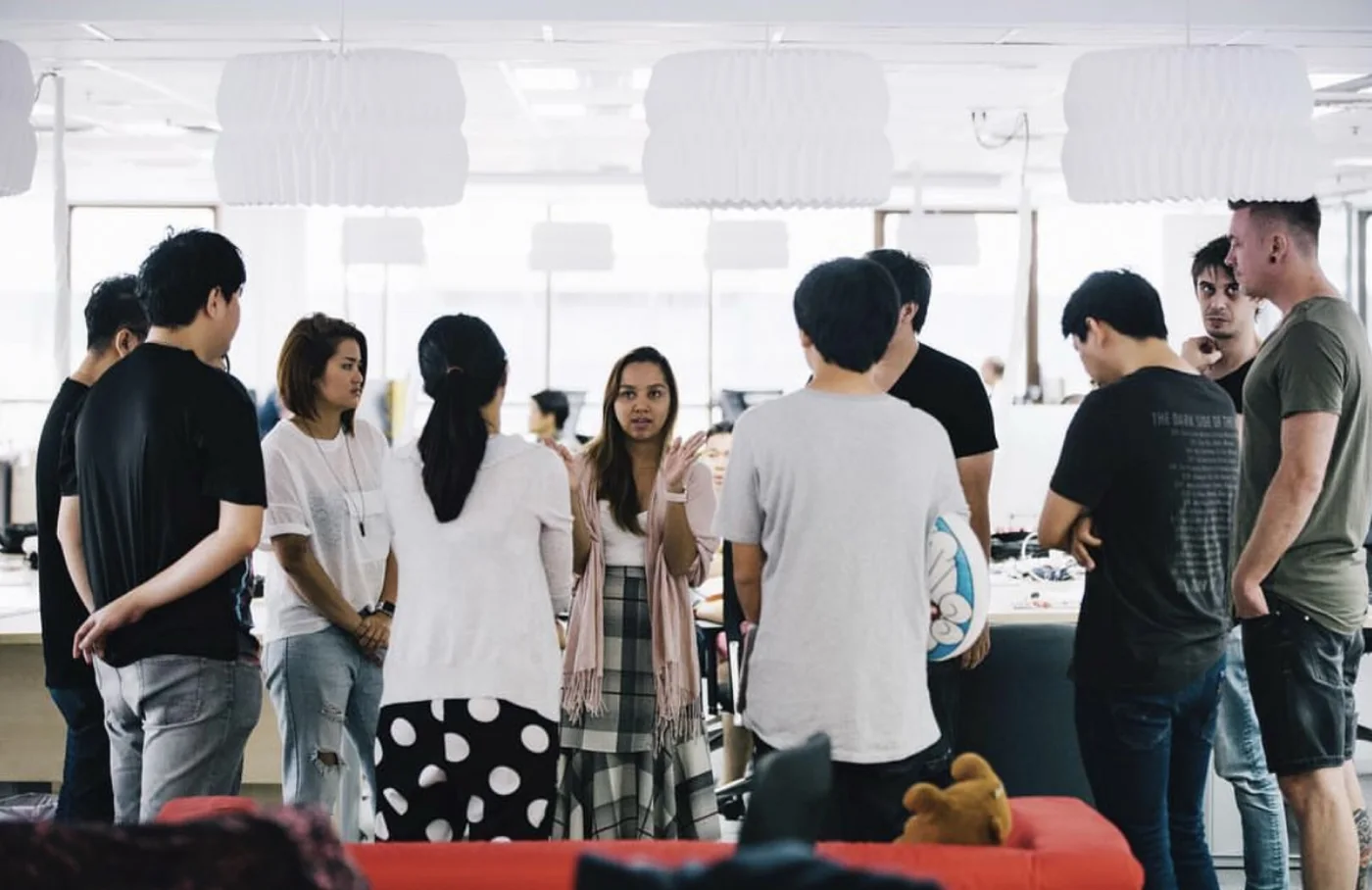
On the floorIn partnership dancing, you only look good if your partner does too. Every turn and finish depends on two people reading each other in real time, and a medal is never won alone.In my workAs a product lead, I sit at the centre of UX/UI designers, QA testers and full-stack engineers, and I am the bridge between them and the business and customer side. At Pomelo, I hired and led the product and engineering team through a three-phase roadmap, while keeping business operations teams, such as accounting, category management and logistics, aligned as the business model changed around them. The work only lands when everyone succeeds together. - 02
Be strong across the whole
On the floorIn 2005 we were ranked across all five Latin dances together. A brilliant samba couldn’t make up for a weaker paso doble.In my workAt Pomelo, I led the shift from a vertically integrated fashion brand to a curated multi-brand marketplace across a three-phase roadmap. The headline was the marketplace, but the work that made it succeed was less glamorous: building a connected inventory that brought third-party stock into a platform that had never carried it, and managing the impact on existing partners and cross-border logistics. - 03
Take hard feedback, fast
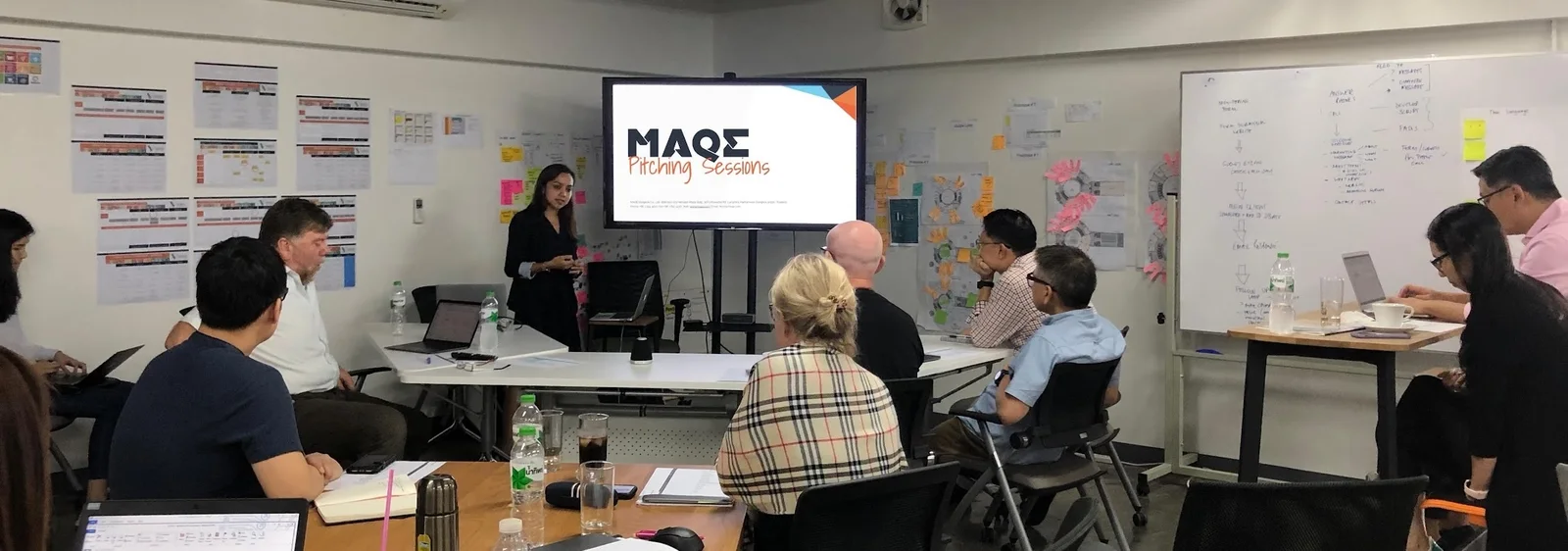
On the floorWorld-class coaches told me exactly what wasn’t good enough, and I was expected to fix it by the next session.In my workAt MAQE, I ran Scrum teams building consumer apps across Asia, Australia and Europe, and improved four digital publications across Asia, increasing site engagement by 29%. The rhythm felt very familiar: hear what isn’t working, fix it, and show the result in the next sprint. - 04
Prioritise with limited time
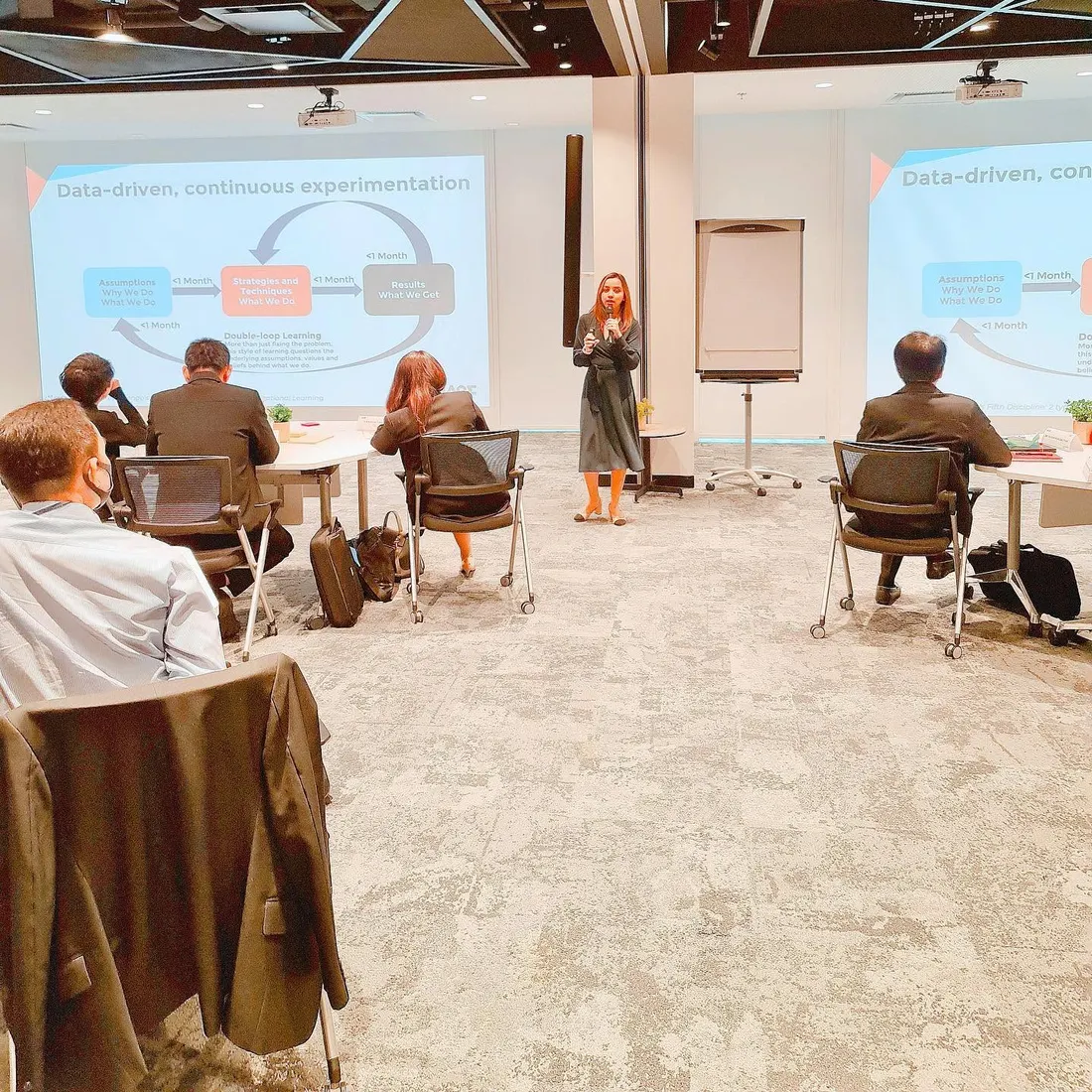
On the floorEvery weekend I chose the term paper over the celebration, because there were only so many hours before Monday.In my workAt McKinsey, I designed a workshop that helped a leading food and CPG client agree their product vision and roadmap, keeping scope creep in check on a technology programme targeting around 3% revenue uplift per employee. For an EV-as-a-Service venture build, I created the prioritisation framework that shaped what went into the MVP, and what didn’t.
The silver medal was the result. What I value now is everything behind it: early mornings, late nights and quiet Sunday stair climbs that nobody saw.
Pressure, discipline and grit aren’t things I list on a CV. They’re habits I built at 19.
And I bring them to every product team I join.
Warmly, Dee ♥︎